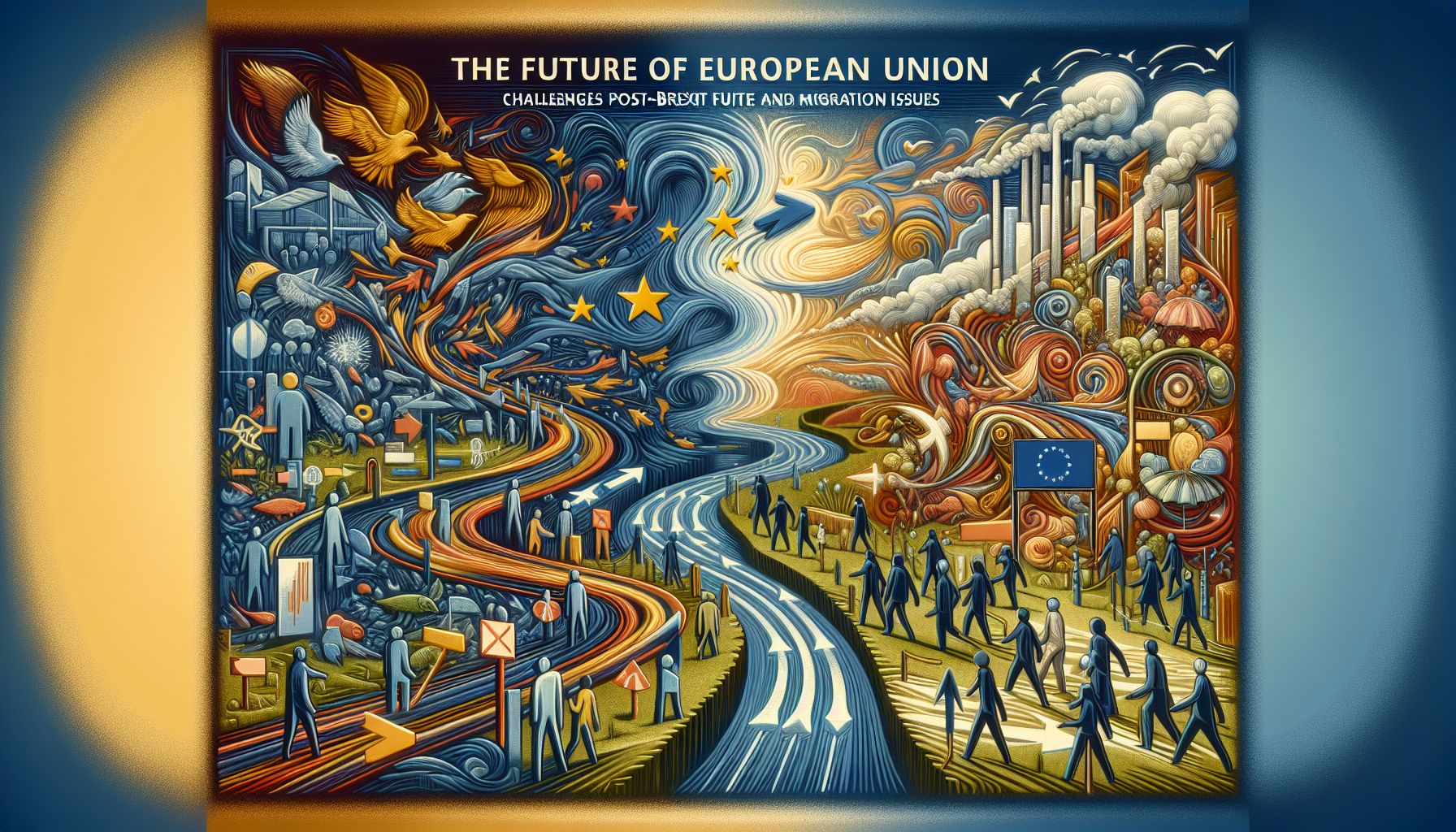
Introduction
The European Union (EU) faces a pivotal moment as it navigates the aftermath of Brexit and grapples with the persistent issue of immigration. These challenges shape the future of the EU and require careful consideration and proactive measures to address effectively.
Challenges After Brexit
With the United Kingdom’s departure from the EU, the bloc must redefine its relationships and structures to adapt to this new reality. The EU needs to rebuild trust among its member states and ensure that the departure of one country does not jeopardize the unity and stability of the union.
Impact on Economy
The economic repercussions of Brexit are significant, affecting trade agreements, financial markets, and overall growth prospects. The EU must strategize to mitigate the impact and enhance economic resilience in the face of uncertainty.
Political Implications
Brexit has also triggered political shifts within the EU, with nationalist sentiments on the rise in some member states. The EU must address these divisions and reinforce its commitment to shared values and cooperation to maintain cohesion and effectiveness.
Immigration Issues
The issue of immigration continues to challenge the EU, testing its capacity to manage the influx of migrants and refugees seeking asylum and opportunities within the union. The EU must develop comprehensive policies and mechanisms to address this complex issue sustainably.
Integration and Inclusion
Effective integration of immigrants is crucial for social cohesion and economic prosperity within the EU. The EU must prioritize inclusive policies that facilitate the integration of migrants into society, promoting diversity and cultural exchange.
Security Concerns
Immigration also raises security concerns for the EU, with the need to ensure border security and address potential threats effectively. The EU must enhance its coordination and collaboration on security measures to safeguard its citizens and residents.
Future Strategies
To overcome these challenges, the EU must adopt proactive strategies that promote unity, resilience, and inclusivity. Collaborative efforts among member states, effective policy frameworks, and strategic planning are essential for the EU to navigate the complexities ahead.
Looking Ahead
As the EU charts its course for the future, it must remain steadfast in its commitment to solidarity, cooperation, and progress. By addressing the challenges post-Brexit and immigration issues with resolve and innovation, the EU can build a stronger, more resilient union for the years to come.
Conclusion
The future of the European Union hinges on its ability to confront challenges head-on and adapt to evolving circumstances effectively. By addressing the aftermath of Brexit and immigration issues with determination and foresight, the EU can pave the way for a brighter and more stable future for its member states and citizens.
For more information about cars, visit carstosale.com.