Introduction
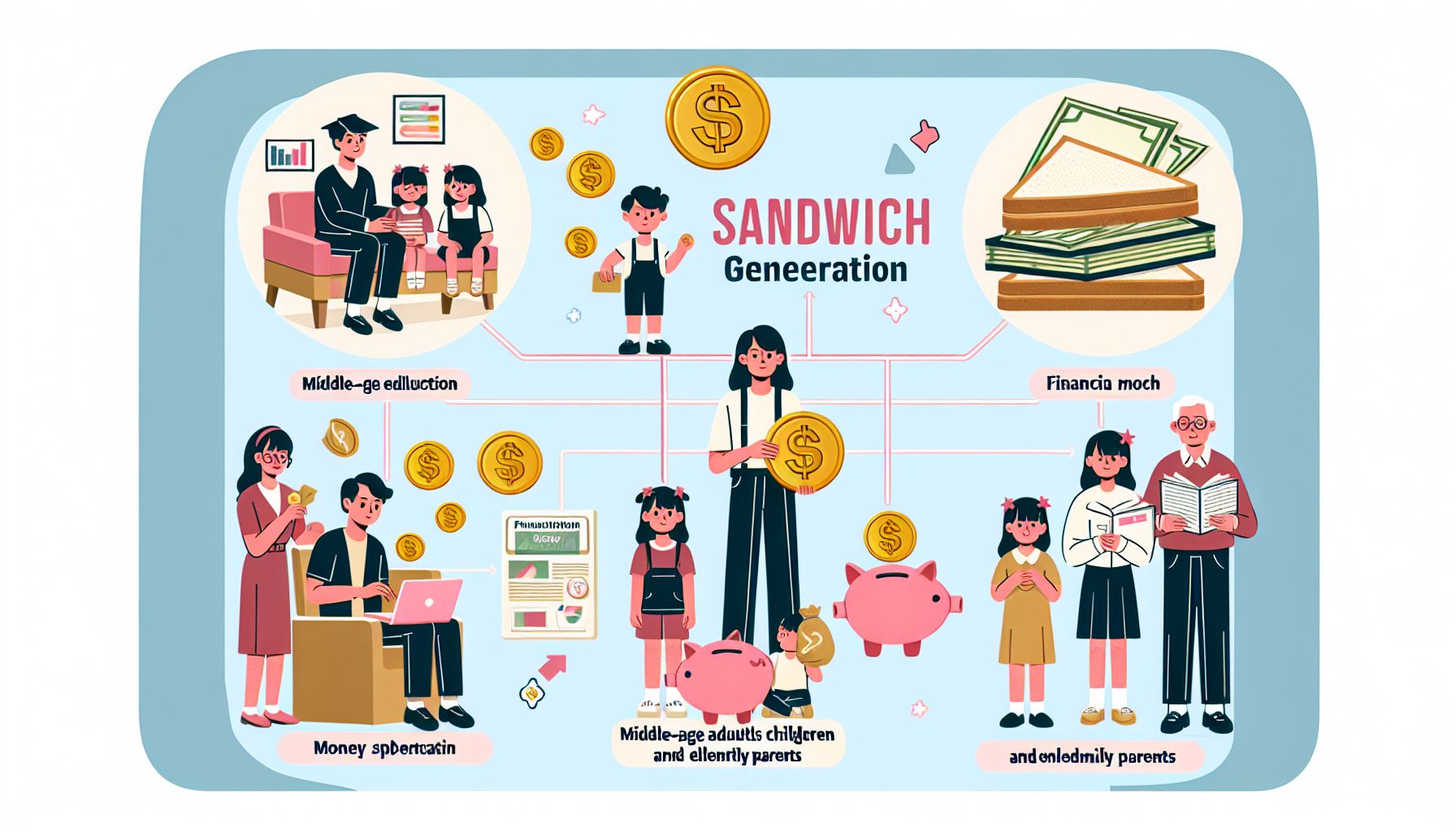
In today’s society, there is a growing trend known as the “Sandwich Generation,” where individuals find themselves financially responsible for both their children and aging parents simultaneously. This dual responsibility poses unique challenges that require careful financial planning and literacy. In this article, we will explore the “Sandwich Generation” phenomenon and emphasize the significance of teaching financial literacy from a young age.
The “Sandwich Generation” Phenomenon
The term “Sandwich Generation” refers to individuals who are caught between the financial demands of raising their children and supporting their elderly parents. This group often faces the burden of not only providing for their immediate family but also for their aging parents who may require financial assistance for healthcare, housing, and other necessities.
Challenges Faced by the “Sandwich Generation”
-
Financial Strain: Balancing the financial needs of multiple generations can be overwhelming and lead to stress and anxiety.
-
Time Constraints: Providing care and support for both children and aging parents often leaves little time for personal pursuits or self-care.
-
Emotional Stress: Witnessing the declining health of elderly parents while also nurturing growing children can take a toll on mental well-being.
The Importance of Financial Literacy
Financial literacy is essential for navigating the complexities of managing finances for oneself, children, and aging parents. Teaching children about financial concepts from an early age can set them up for success in handling their own finances in the future.
Benefits of Early Financial Literacy
-
Budgeting Skills: Learning how to budget and manage expenses can help children make sound financial decisions later in life.
-
Savings Habits: Instilling the importance of saving money can cultivate a habit of financial responsibility and planning for the future.
-
Investment Knowledge: Teaching children about the basics of investing can provide them with the tools to grow their wealth over time.
Ways to Educate Children about Financial Literacy
-
Allowance Management: Giving children a small allowance and encouraging them to budget and save can teach valuable money management skills.
-
Open Discussions: Engaging in open conversations about the family’s financial situation can help children understand the importance of budgeting and saving.
-
Role Modeling: Setting a good example by demonstrating responsible spending and saving habits can have a lasting impact on children.
Conclusion
In conclusion, the “Sandwich Generation” phenomenon highlights the need for adequate financial planning and literacy skills. By instilling financial knowledge from a young age, individuals can better prepare themselves and future generations for the challenges of managing multiple financial responsibilities. Financial literacy is a valuable tool that can empower individuals to make informed decisions and secure their financial well-being.
Visit carstosale.com for more information on financial planning and resources.