Introduction
In the ever-changing landscape of education, the emergence of hybrid learning has presented both challenges and opportunities for educational institutions worldwide. Indonesia, as a developing country, is also looking to adapt to this new era of learning. This article will explore the readiness of Indonesia’s education system for hybrid learning.
Understanding Hybrid Learning
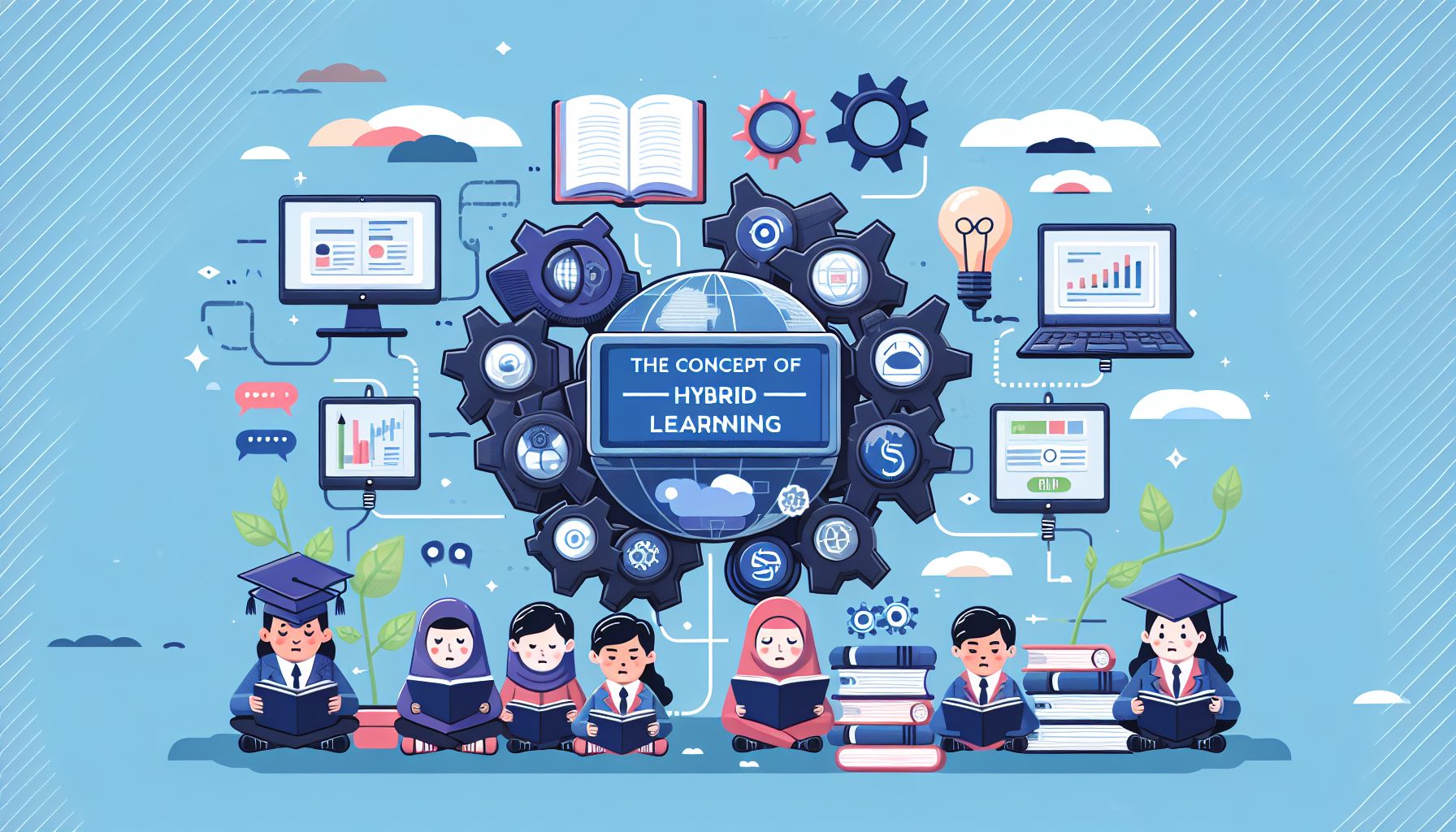
Hybrid learning combines traditional face-to-face instruction with online learning activities. It offers flexibility for both students and teachers, allowing them to engage in a blend of in-person and virtual learning experiences. With the advancement of technology, hybrid learning has become increasingly popular in educational settings.
Current State of Education in Indonesia
Indonesia’s education system faces various challenges, including limited access to quality education in remote areas, overcrowded classrooms in urban areas, and a lack of resources for effective teaching and learning. Despite these challenges, the Indonesian government has been striving to improve the quality of education in the country.
Readiness for Hybrid Learning
As Indonesia moves towards implementing hybrid learning, it is essential to assess the readiness of educational institutions, teachers, and students. Several factors need to be considered to ensure a smooth transition to this new learning model.
Infrastructure and Technology
One of the critical aspects of hybrid learning is the availability of infrastructure and technology. Schools need to have reliable internet connectivity, computers, and other devices to support online learning activities. In Indonesia, many schools still lack access to these resources, making it challenging to fully embrace hybrid learning.
Teacher Training and Support
Teachers play a vital role in the success of hybrid learning. They need training and ongoing support to effectively integrate technology into their teaching practices. Professional development programs and workshops can help teachers enhance their digital skills and adapt to the demands of hybrid learning.
Student Engagement and Participation
In a hybrid learning environment, student engagement and participation are crucial. Students need to be motivated to actively participate in online discussions, complete assignments, and collaborate with their peers. Educators must create interactive and engaging learning experiences to keep students interested and invested in their education.
Benefits of Hybrid Learning
Despite the challenges, hybrid learning offers several benefits for both students and teachers. It provides flexibility in learning, allowing students to access educational resources at their convenience. It also promotes self-directed learning and encourages the use of technology in education.
Challenges of Hybrid Learning
Alongside the benefits, there are also challenges associated with hybrid learning. These include technological barriers, lack of in-person interaction, and the need for strong time management skills. Educators must address these challenges to ensure the success of hybrid learning initiatives.
Conclusion
As Indonesia prepares for the era of hybrid learning, there are significant opportunities to enhance the quality of education in the country. By investing in infrastructure, providing training for teachers, and promoting student engagement, Indonesia can make strides towards a more advanced and inclusive education system. While there are challenges to overcome, the potential benefits of hybrid learning make it a promising avenue for the future of education in Indonesia.
Learn more about the latest trends in education and technology at carstosale.com.