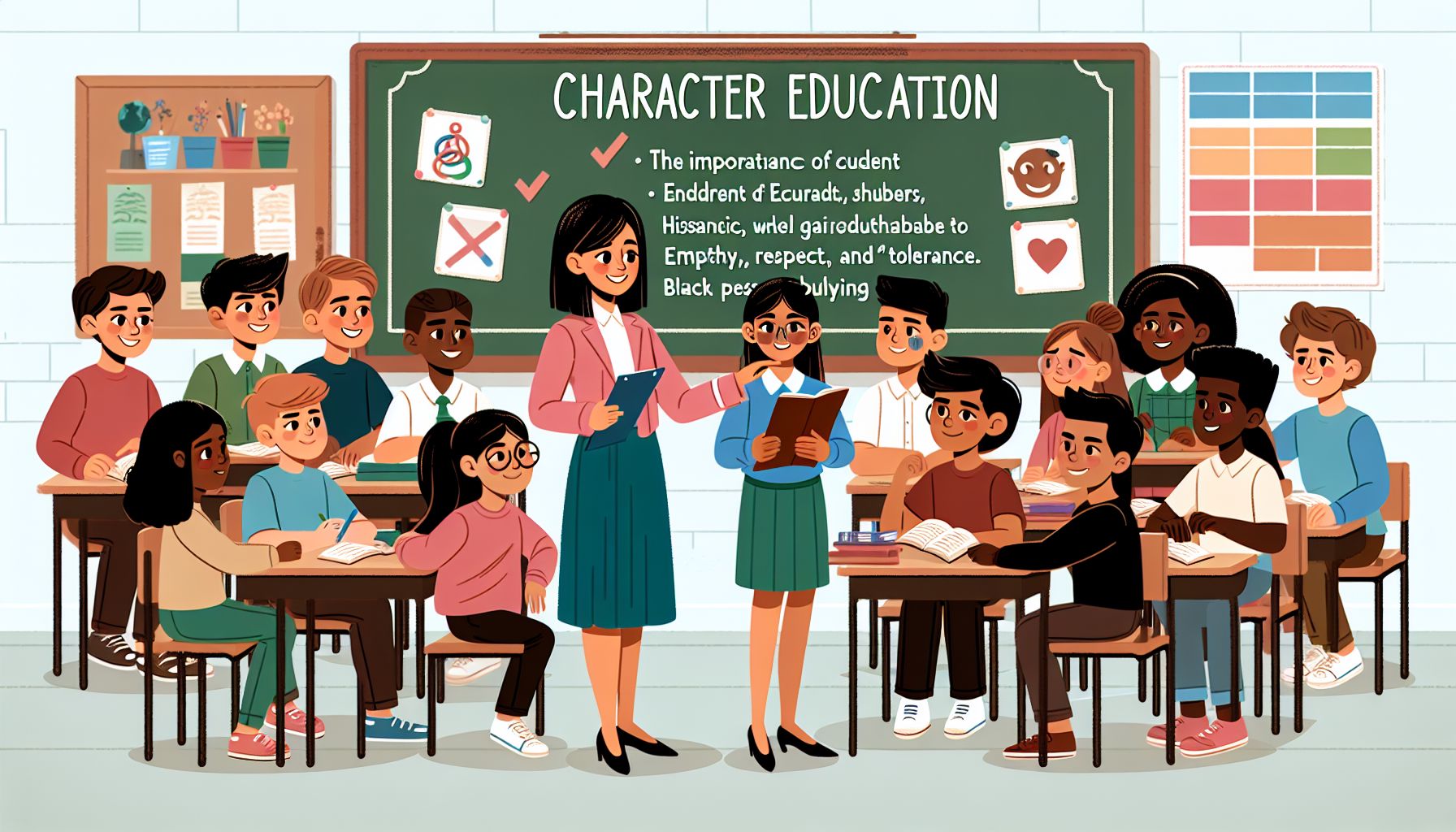
Introduction:
Bullying remains a prevalent issue in schools worldwide, affecting the well-being of students and creating a negative learning environment. One effective approach to combating bullying is through character education. By instilling positive values and behaviors in students, character education plays a crucial role in preventing bullying and fostering a culture of respect and empathy in schools.
Understanding Bullying
Bullying is a form of aggressive behavior that involves a power imbalance, where individuals repeatedly use their power to control or harm others. It can take various forms, including verbal, physical, social, and cyberbullying. The impact of bullying on victims can be severe, leading to emotional distress, academic difficulties, and even long-term psychological effects.
The Role of Character Education
Character education focuses on developing students’ moral and ethical character, emphasizing values such as respect, kindness, honesty, and empathy. By integrating character education into the school curriculum, students learn essential life skills that promote positive relationships and responsible decision-making. These values not only benefit the individual but also contribute to a harmonious school community.
Preventing Bullying Through Character Education
-
Promoting Empathy: Character education teaches students to understand and empathize with others’ feelings, reducing the likelihood of engaging in harmful behaviors like bullying. By fostering empathy, students learn to treat their peers with kindness and compassion.
-
Encouraging Respect: Respecting differences and diversity is a key component of character education. When students learn to respect each other’s unique qualities and perspectives, they are less likely to exhibit prejudiced or discriminatory behavior, including bullying.
-
Building Responsibility: Character education instills a sense of responsibility in students, encouraging them to take ownership of their actions and eliminate negative behaviors like bullying. By promoting accountability, students learn to make positive choices that contribute to a safe and inclusive school environment.
The Impact of Character Education
Implementing character education programs in schools has shown positive outcomes in preventing bullying and promoting positive social interactions. Students who receive character education instruction demonstrate improved empathy, conflict resolution skills, and a greater sense of community responsibility. These effects contribute to a decrease in bullying incidents and create a supportive school climate where every student feels valued and respected.
Conclusion
In conclusion, character education plays a vital role in preventing bullying in schools by cultivating positive values, behaviors, and attitudes in students. By promoting empathy, respect, and responsibility, character education helps create a school environment where bullying is less likely to occur, and students can thrive academically and socially. Emphasizing character education in schools is essential for fostering a culture of kindness, empathy, and mutual respect among students, ultimately creating a safer and more inclusive learning environment.