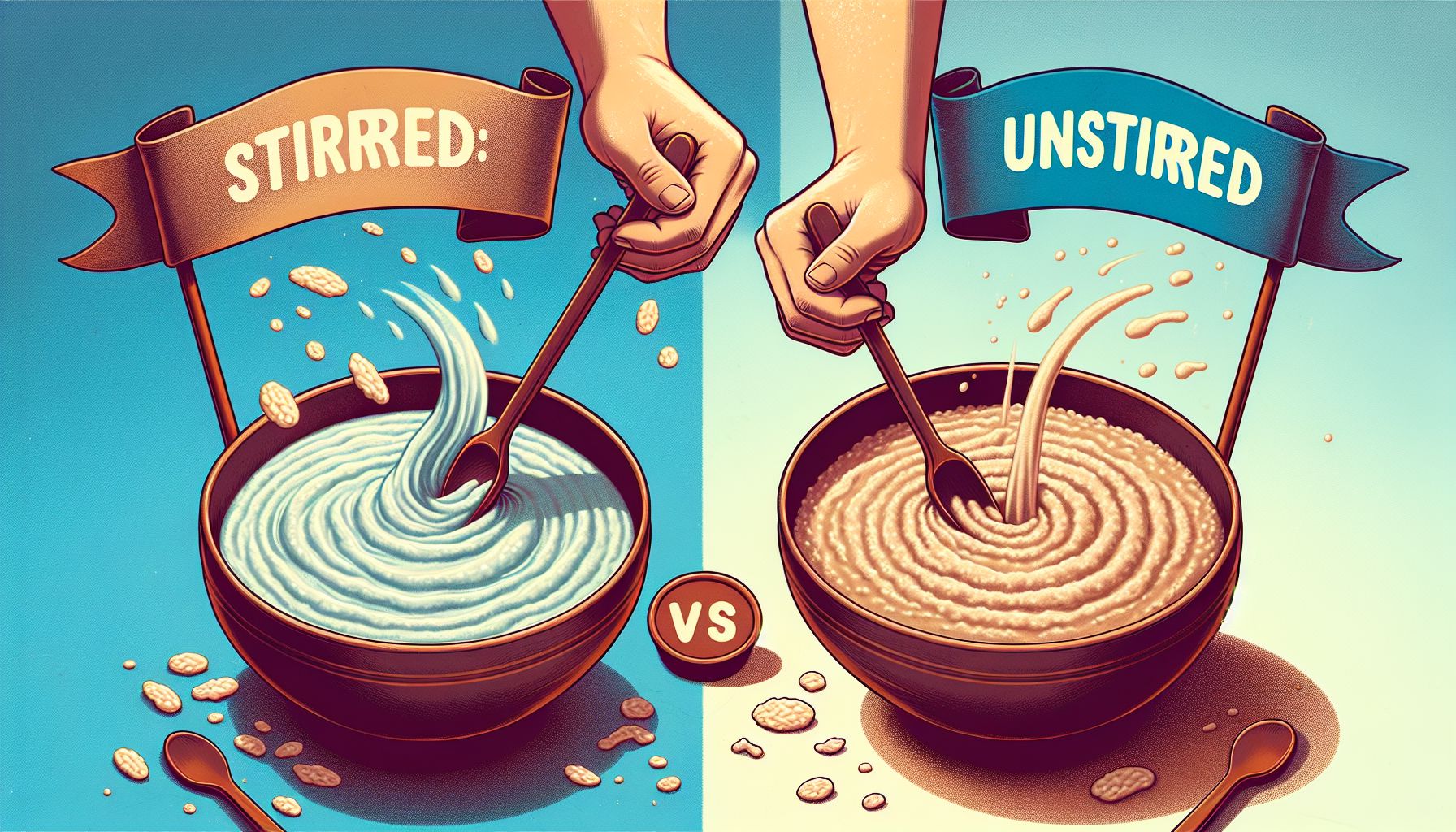
Perang Bubur: Diaduk vs Tidak Diaduk
When it comes to enjoying a warm bowl of bubur (porridge), the age-old debate between stirring or not stirring has divided bubur enthusiasts for generations. Some swear by the traditional method of not stirring, believing it enhances the texture and flavors of the bubur, while others argue that stirring is essential for achieving a smooth and creamy consistency. So, which team are you on?
Diaduk (Stirred)
Stirring bubur while it cooks can help break down the grains and prevent them from sticking to the bottom of the pot. This constant motion ensures even cooking and a more consistent texture throughout the dish. Stirring also helps release the starch from the grains, resulting in a creamier and smoother porridge.
One key benefit of stirring bubur is the control it gives you over the thickness of the porridge. By adjusting the amount of liquid and the frequency of stirring, you can achieve the perfect consistency to suit your taste preferences. Additionally, stirring can help distribute any added ingredients, such as meat, vegetables, or spices, evenly throughout the bubur, ensuring a balanced flavor in every bite.
On the downside, stirring bubur requires constant attention and effort to prevent it from burning or sticking to the pot. This method may not be suitable for those who prefer a hands-off approach to cooking or who have limited time to dedicate to the stove.
Tidak Diaduk (Not Stirred)
The traditional method of cooking bubur without stirring involves letting the grains simmer and cook undisturbed until they reach a desired consistency. Proponents of this technique argue that not stirring allows the flavors to develop more naturally and intensifies the overall taste of the porridge.
Cooking bubur without stirring can result in a thicker and heartier texture, with each grain retaining its individual integrity. This method is favored by those who enjoy a more rustic and chunky porridge, reminiscent of traditional home-cooked meals.
One of the main advantages of not stirring bubur is the convenience it offers. You can simply set the pot on the stove and leave it to simmer without the need for constant supervision. This hands-off approach is ideal for busy individuals or those looking for a low-maintenance cooking method.
However, cooking bubur without stirring may require a longer cooking time to achieve the desired consistency, and there is a risk of the porridge sticking to the bottom of the pot if not monitored carefully.
Conclusion
In the end, whether you prefer to stir or not to stir your bubur comes down to personal preference and cooking style. Both methods have their own advantages and drawbacks, and the best way to determine which team you’re on is to experiment with both techniques and see which one yields the results you desire.
So, the next time you find yourself craving a comforting bowl of bubur, consider whether you’re Team Diaduk or Team Tidak Diaduk. Whichever side you choose, the most important thing is to savor every spoonful of this beloved dish and appreciate the rich culinary heritage it embodies.
Remember, whether you stir or not, the joy of bubur lies in the simple pleasure of enjoying a warm and nourishing meal that warms both the body and the soul.
For more interesting articles on food, recipes, and culinary tips, visit carstosale.com.