Introduction
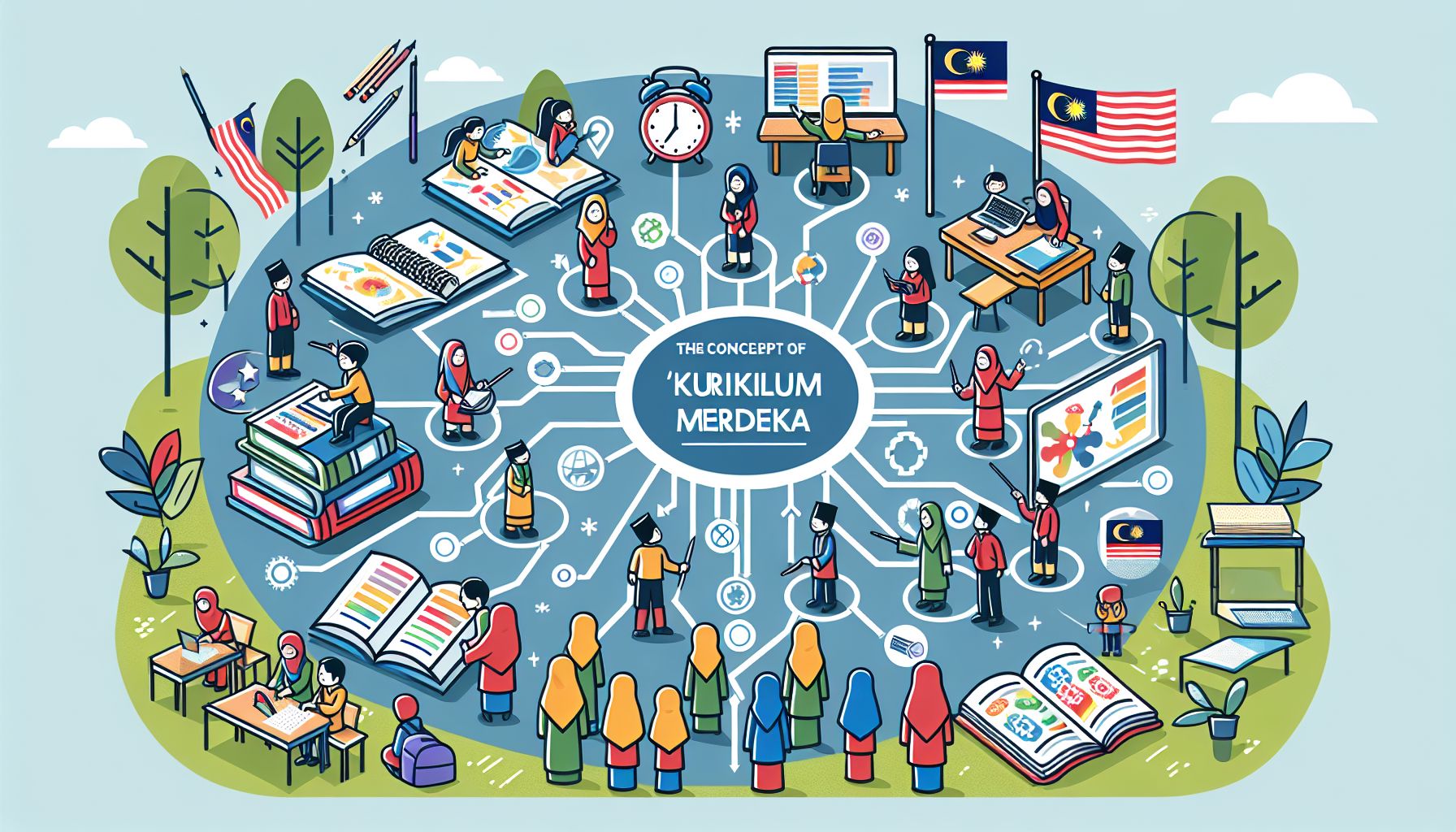
Kurikulum Merdeka has emerged as a new educational approach in Indonesia, offering both opportunities and challenges for teachers and students. This curriculum aims to provide flexibility and autonomy in learning, fostering creativity and critical thinking among learners.
Opportunities for Teachers
Under Kurikulum Merdeka, teachers have the opportunity to personalize their teaching methods and materials according to the needs and interests of their students. This flexibility enables educators to cater to diverse learning styles and abilities, creating a more engaging and effective learning environment.
Additionally, teachers can explore innovative pedagogical approaches and incorporate real-world experiences into their lessons. By embracing this curriculum, educators can enhance their teaching practices and adapt to the ever-evolving educational landscape.
Challenges for Teachers
Despite the benefits, implementing Kurikulum Merdeka poses challenges for teachers. Adapting to a more flexible curriculum requires teachers to undergo professional development and acquire new skills. This transition may be daunting for some educators who are accustomed to traditional teaching methods.
Furthermore, ensuring alignment with academic standards and learning outcomes while promoting student-centered learning demands careful planning and assessment. Teachers must strike a balance between autonomy and accountability to effectively implement Kurikulum Merdeka in their classrooms.
Opportunities for Students
For students, Kurikulum Merdeka offers the opportunity to take ownership of their learning journey. By engaging in self-directed learning activities and projects, students can develop essential skills such as critical thinking, problem-solving, and collaboration.
This curriculum encourages students to explore their interests and passions, fostering a sense of curiosity and lifelong learning. By empowering students to drive their education, Kurikulum Merdeka prepares them for success in a rapidly changing world.
Challenges for Students
While Kurikulum Merdeka empowers students, it also presents challenges. The shift from a structured curriculum to a more flexible one requires students to develop self-discipline and time management skills. Students must take initiative in setting goals and monitoring their progress throughout the learning process.
Moreover, adapting to a student-centered approach may be challenging for learners who are accustomed to traditional teacher-led instruction. Students need to actively participate in discussions, projects, and assessments to fully benefit from the opportunities offered by Kurikulum Merdeka.
In conclusion, Kurikulum Merdeka provides both opportunities and challenges for teachers and students in Indonesia. By embracing this curriculum, educators can personalize learning experiences and enhance pedagogical practices, while students can take control of their education and develop essential skills for the future.
To explore more educational resources and opportunities, visit carstosale.com.